In today’s competitive digital landscape, ranking on Google is not just about good content — it’s about strategic optimization. On-page SEO plays a crucial role in sending the right signals to search engines and ensuring your pages outrank your competitors.
1. Optimize Title Tags & Meta Descriptions
A compelling title tag not only boosts your ranking but dramatically increases click-through rates. Use power keywords, keep it under 60 characters, and make it irresistible.
2. Keyword Placement (Without Overstuffing)
Place your main keyword naturally in:
- Title
- First paragraph
- H1 & H2 tags
- URL
- Image alt tags
3. Improve Page Speed
Slow pages kill rankings. Use compression, WebP images, and proper caching.
4. Use SEO-Friendly URLs
Short, descriptive, and keyword-focused URLs perform best.
5. Internal Linking
Interconnected pages improve crawlability and user engagement.
6. Create High-Quality, Helpful Content
Google’s EEAT (Experience, Expertise, Authoritativeness, Trustworthiness) is more important than ever.
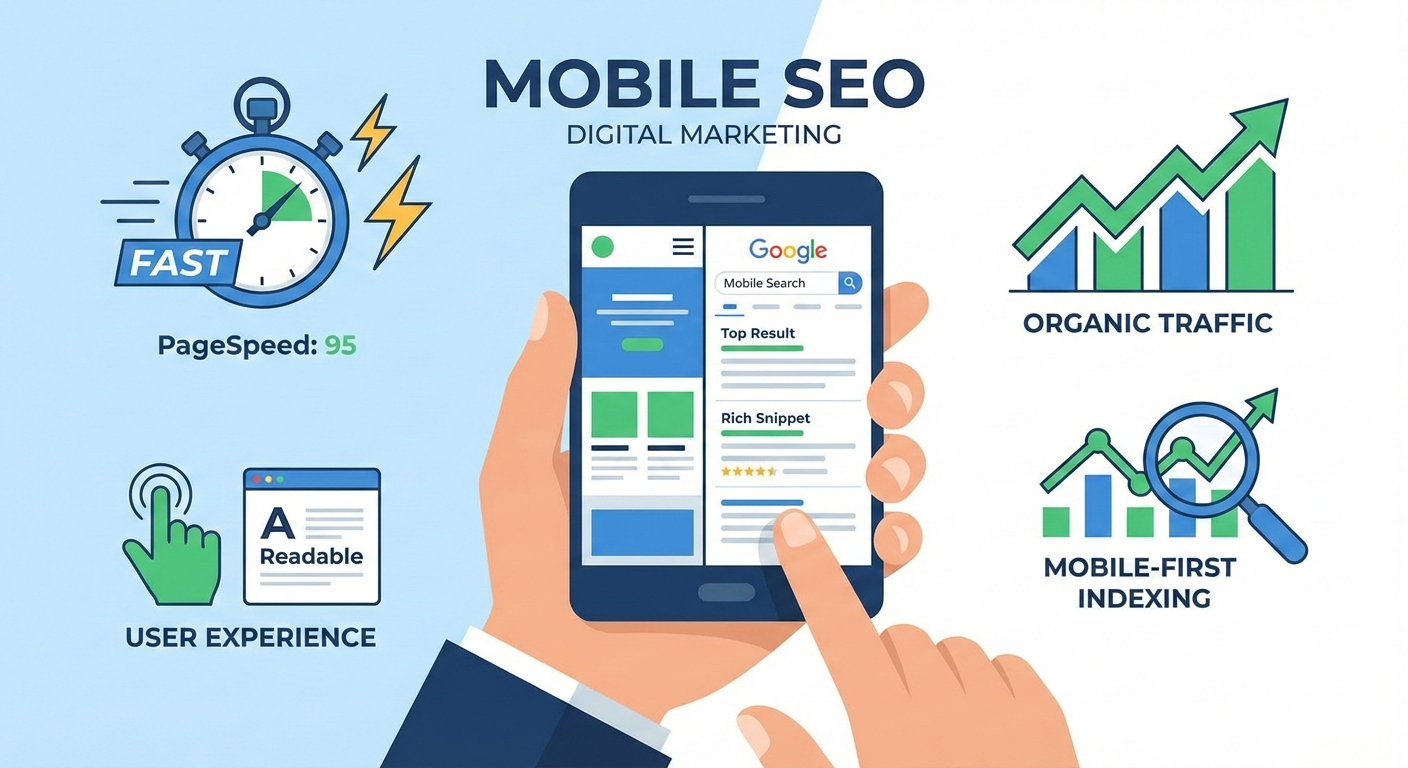
7. Mobile Optimization
Over 70% of users browse on mobile. A mobile-friendly design boosts rankings & conversions.