When it comes to ranking on Google, Off-Page SEO plays a crucial role. Even if your website has excellent content and strong on-page optimization, it will struggle to rank without off-page signals like backlinks, brand mentions, and authority building.
In this blog, we’ll break down what off-page SEO is, why it matters, and the best strategies to use in 2025.
What Is Off-Page SEO?
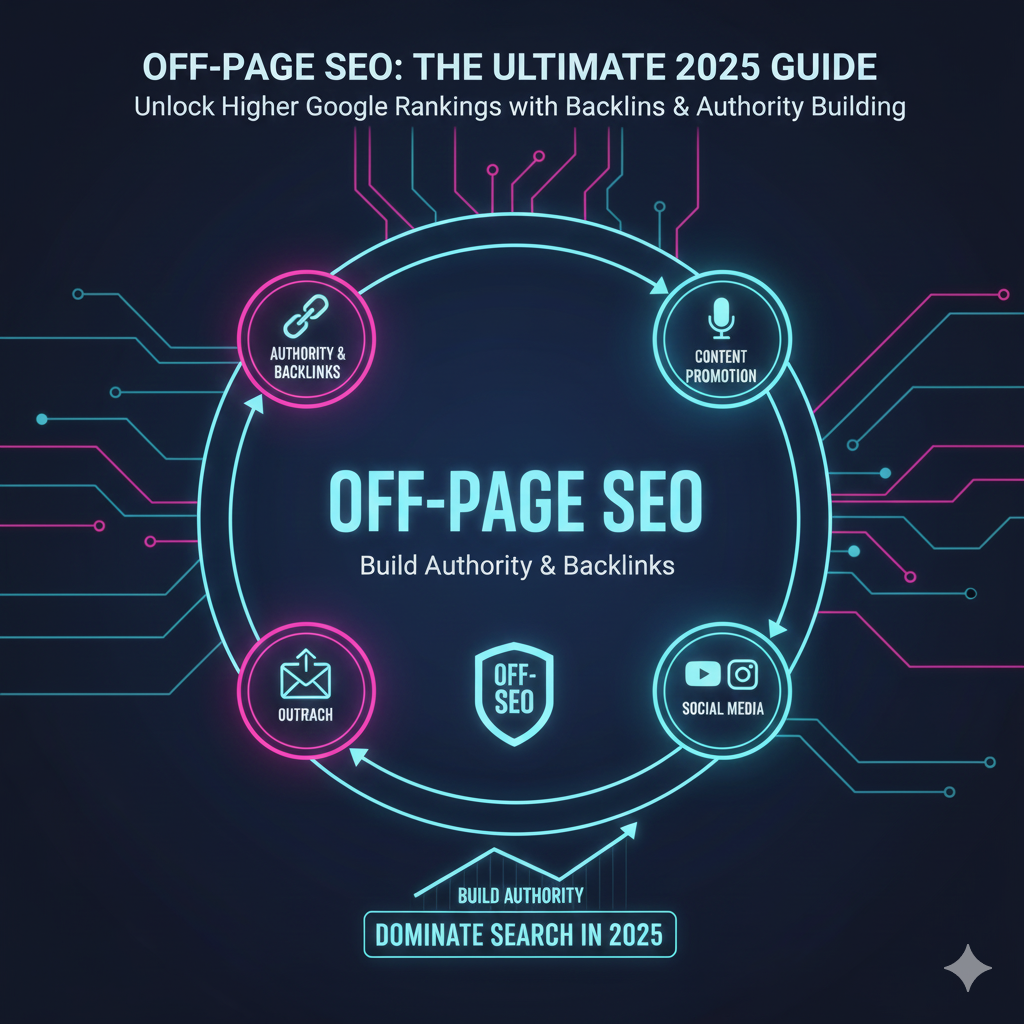
Off-Page SEO refers to all the activities done outside your website to improve its search engine rankings.
The main goal is to show search engines that your website is trusted, authoritative, and valuable.
Unlike on-page SEO (content, keywords, meta tags), off-page SEO focuses on external signals such as:
- Backlinks
- Brand mentions
- Social signals
- Online reputation
Why Off-Page SEO Is Important
Search engines like Google use off-page factors to decide how trustworthy your website is.
Key benefits of Off-Page SEO:
- ✅ Higher search engine rankings
- ✅ Increased domain authority
- ✅ More organic traffic
- ✅ Better brand credibility
- ✅ Faster indexing of pages
In simple words, the more trusted websites talk about you, the more Google trusts you.
Most Important Off-Page SEO Techniques
1. Link Building (Backlinks)
Backlinks are the backbone of off-page SEO. A backlink is a link from another website pointing to your site.
High-quality backlinks from authoritative websites help boost rankings significantly.
Best link-building methods:
- Guest posting
- Editorial links
- Resource page links
- Broken link building
- Niche directory submissions
👉 Quality matters more than quantity.
2. Guest Posting
Guest posting means writing articles for other websites in your niche and getting a backlink in return.
Benefits:
- Builds authority
- Drives referral traffic
- Improves brand visibility
Tip: Always publish on relevant and high-DA websites.
3. Social Media Marketing
Although social media links are usually no-follow, they still help in:
- Increasing content reach
- Driving traffic
- Building brand awareness
Active engagement on platforms like Facebook, LinkedIn, Instagram, and X (Twitter) strengthens off-page signals.
4. Brand Mentions
Even when your website isn’t linked, brand mentions help search engines recognize your brand.
You can earn mentions by:
- Publishing high-quality content
- PR campaigns
- Influencer collaborations
Unlinked mentions can later be converted into backlinks.
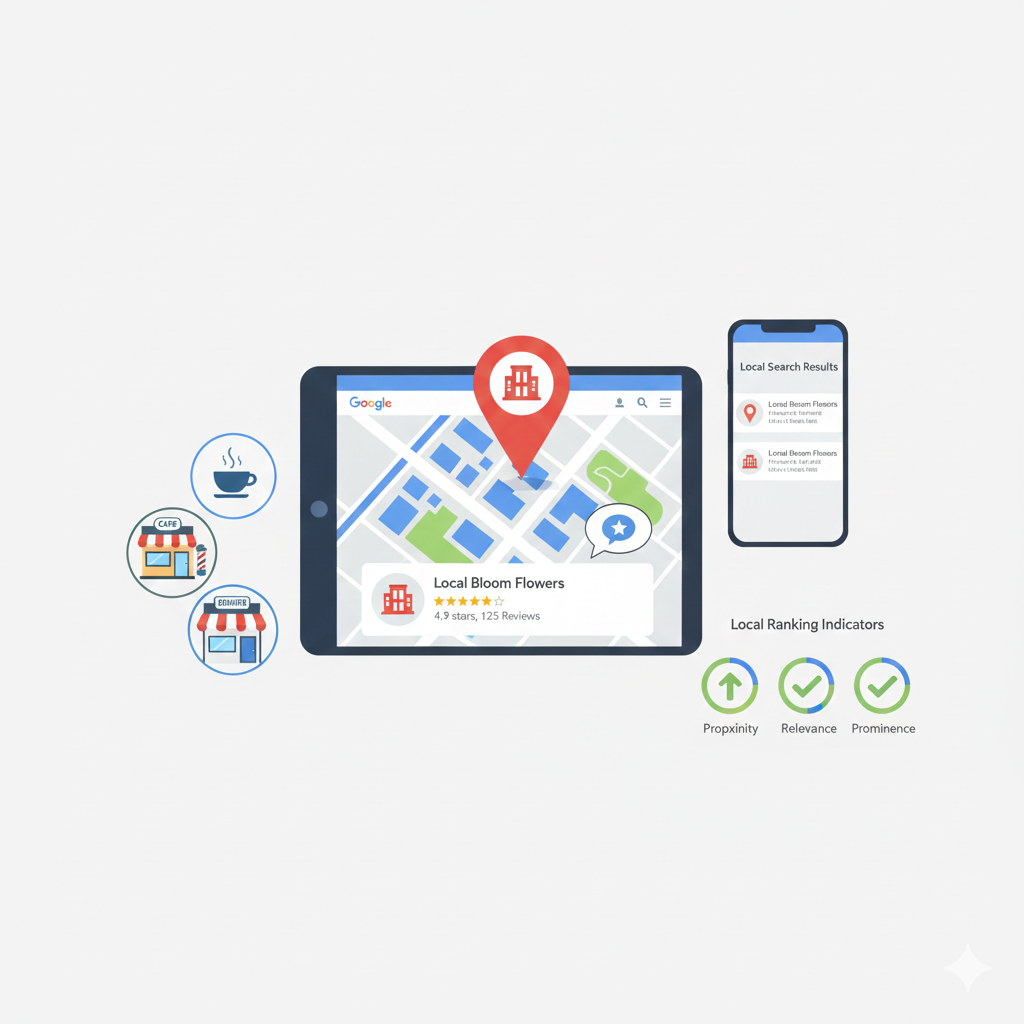
5. Local SEO & Citations
For local businesses, off-page SEO includes:
- Google Business Profile optimization
- NAP consistency (Name, Address, Phone)
- Local directory listings
This helps your business appear in local search results and Google Maps.
6. Influencer Outreach
Collaborating with influencers in your industry can:
- Generate quality backlinks
- Increase brand trust
- Bring targeted traffic
Micro-influencers often deliver better engagement than big names.
7. Forum & Community Engagement
Participating in relevant forums like:
- Quora
- Industry communities
helps in:
- Driving referral traffic
- Building authority
- Generating brand awareness
Avoid spamming—focus on genuine value.
Off-Page SEO Best Practices (2025)
- Focus on natural link building
- Avoid spammy or paid links
- Prioritize content-driven outreach
- Track backlinks regularly
- Diversify link sources
- Build brand, not just links
Common Off-Page SEO Mistakes to Avoid
❌ Buying low-quality backlinks
❌ Over-optimized anchor text
❌ Irrelevant directory submissions
❌ Ignoring brand building
❌ Spam comments & forum links
These can lead to penalties and ranking drops.
Final Thoughts
Off-Page SEO is not about shortcuts—it’s about building trust, authority, and relationships.
When combined with strong on-page SEO and quality content, off-page SEO can dramatically improve your website’s visibility and rankings.
If you want long-term SEO success, invest in off-page SEO consistently.